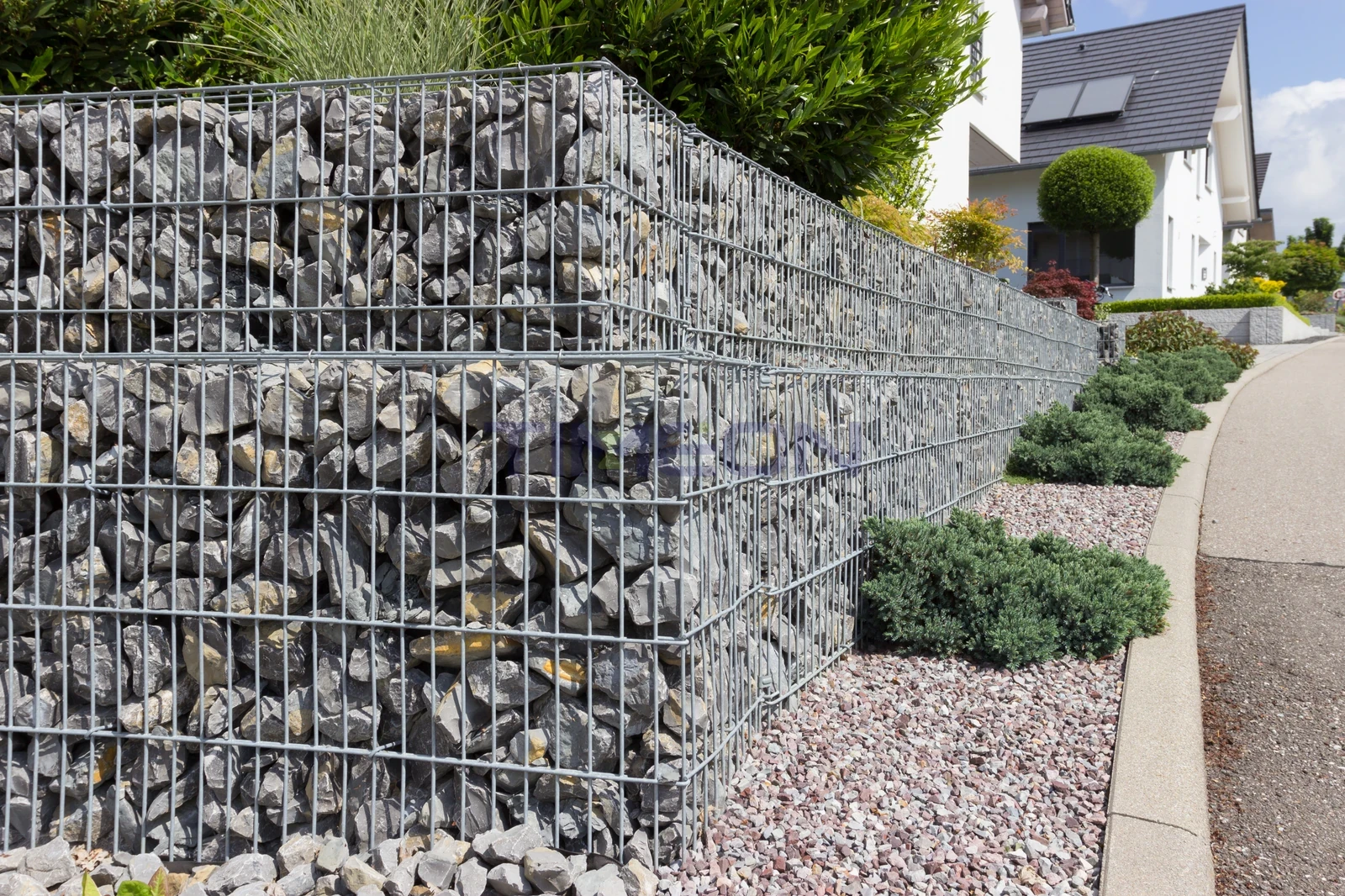
Overview
Choose a double-twisted gabion box when the structure must tolerate settlement, water flow or an uneven foundation. Choose a welded gabion when the wall needs straight faces, accurate dimensions and a clean architectural finish on a stable base.
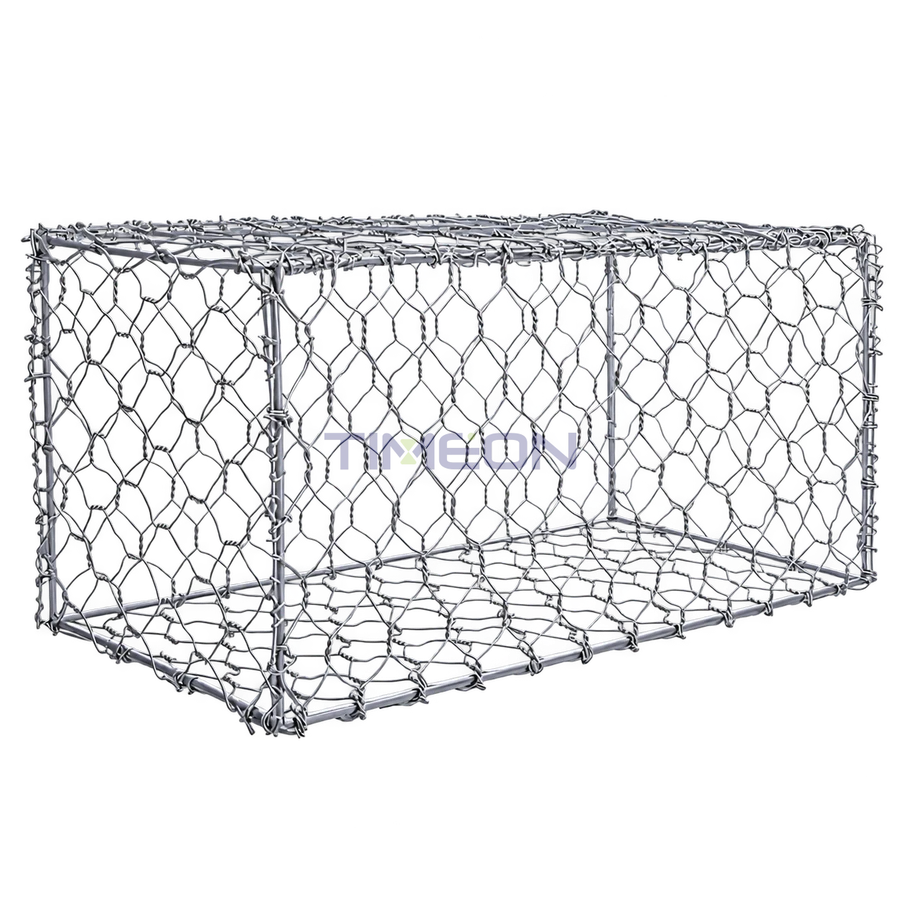
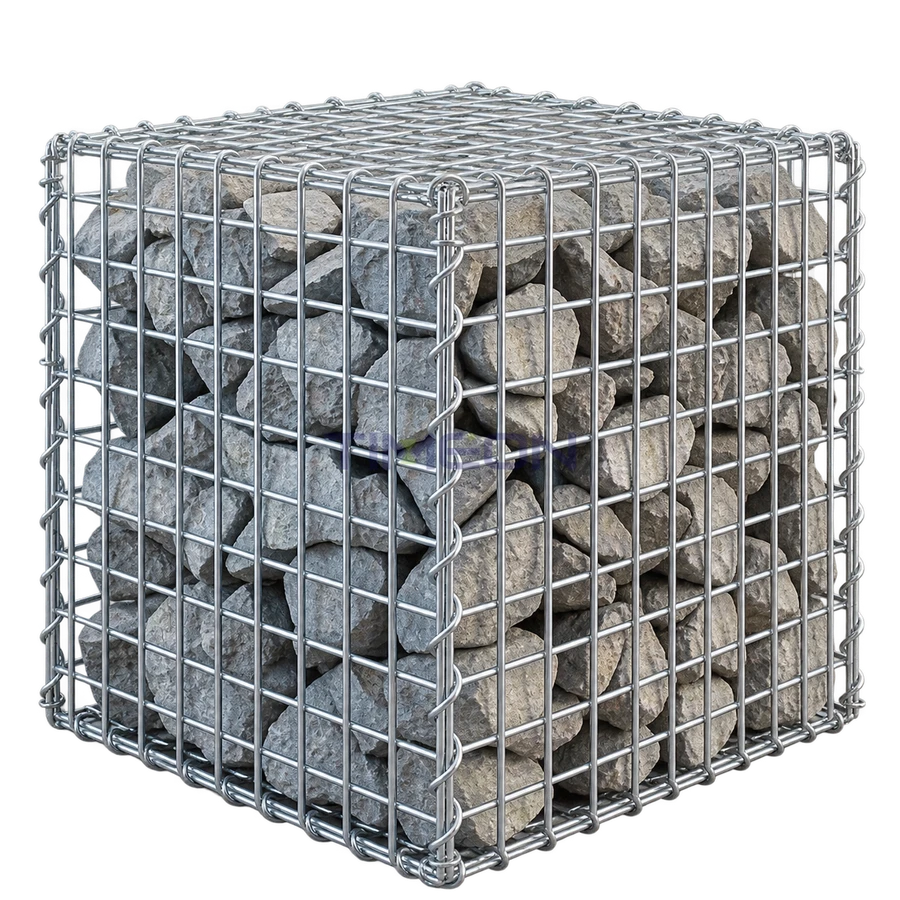
Both are stone-filled steel wire baskets, and both are widely called gabions. The difference is how the mesh is made. A gabion box is woven from hexagonal wire mesh with a double twist at every mesh joint. A welded gabion is assembled from rigid panels in which every wire crossing is welded. That single manufacturing difference changes how the basket behaves under load, how it is assembled on site and where it performs best.
Choose a double-twisted gabion box when the structure must tolerate settlement, water flow or an uneven foundation. Choose a welded gabion when the wall needs straight faces, accurate dimensions and a clean architectural finish on a stable base.
How Each Gabion Type Is Made
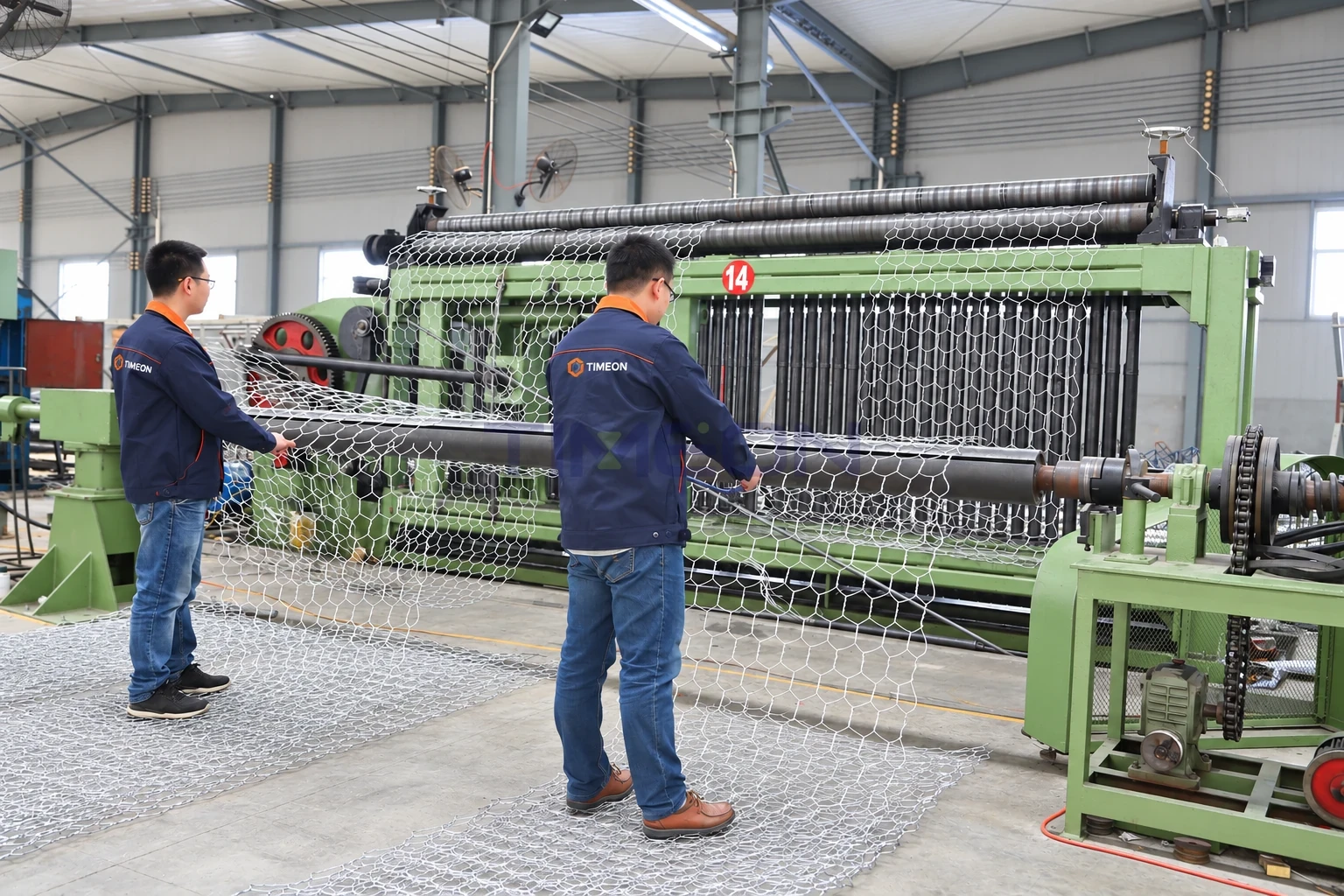
Double-twisted mesh is produced on a weaving machine that twists pairs of wires together one and a half turns, forming a hexagonal opening. Heavier selvedge wire is woven into the panel edges, and longer boxes are divided by internal diaphragms. Because each joint is a twist rather than a fixed point, the mesh can move slightly and redistribute load. The double twist also helps prevent the mesh from unravelling if a single wire is cut.
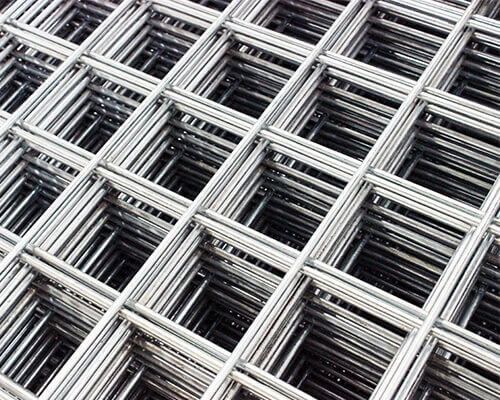
Welded gabions start as flat welded wire mesh panels with square or rectangular openings. The panels are joined on site or in the factory with spiral binders, C-rings or clips, and internal stiffeners (bracing wires) tie the front and back faces together so the face does not bulge when stone is placed.
Gabion Box vs Welded Gabion: Key Differences
| Item | Gabion Box (Double-Twisted) | Welded Gabion |
|---|---|---|
| Mesh structure | Hexagonal, double-twisted | Square or rectangular, welded at each crossing |
| Common mesh openings | 60 × 80, 80 × 100, 100 × 120 mm | 50 × 50, 50 × 100, 75 × 75, 100 × 100 mm |
| Mesh wire diameter | 2.4–3.0 mm (metallic-coated) | 3.0–6.0 mm |
| Behaviour under load | Flexible; follows settlement | Rigid; holds its shape |
| Panel joining | Lacing wire or fasteners | Spiral binders, C-rings or clips |
| Face appearance | Softer, slightly uneven | Flat, straight lines |
| Coating options | Heavy galvanized, Zn-Al alloy, PVC coated | Hot-dip galvanized, Galfan, PVC coated |
| Reference standard | EN 10223-3, ASTM A975 | ASTM A974 |
Neither type is simply stronger. Woven mesh absorbs movement by deforming; welded mesh resists movement by staying rigid. The right choice depends on whether the site is likely to move.
When to Choose a Double-Twisted Gabion Box
Double-twisted gabions are the usual choice for civil and hydraulic work: riverbank protection, channel and culvert outlets, bridge abutment protection, slope toe walls and retaining walls on soft or uneven ground. On these sites the foundation may settle, scour may undermine the base, and water pressure changes with the flow. A flexible basket can deform with that movement and keep working, where a rigid structure may crack or open at the joints.
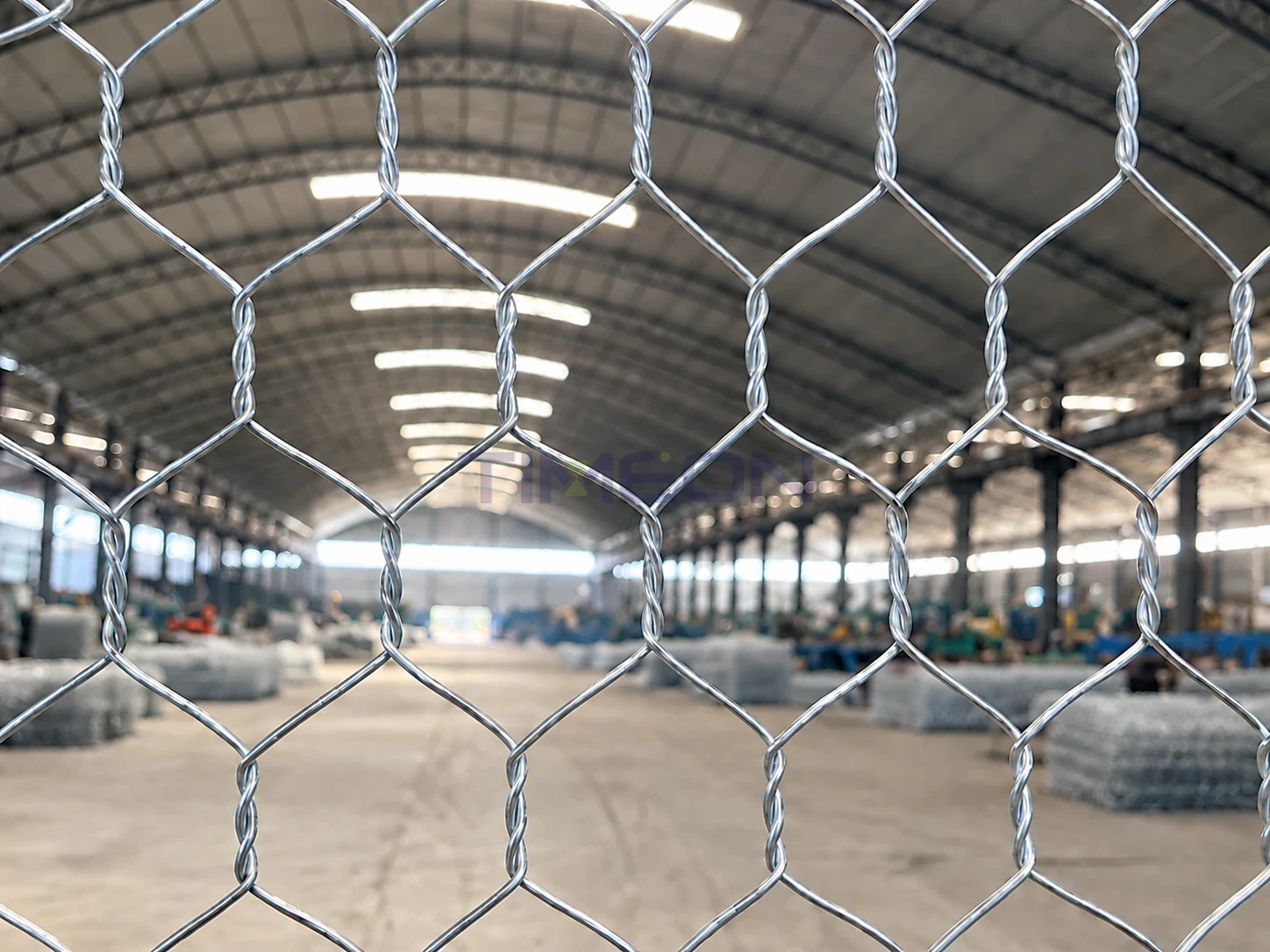
For wide, shallow protection of channel beds and banks, the same mesh is made into a low-profile Reno mattress rather than a full-height box.
Double-twisted boxes are also supplied folded and bundled, which keeps freight volume low for large civil orders.
When to Choose a Welded Gabion
A welded gabion suits landscaping, garden and boundary walls, building facades, noise barriers, seating and planters, and retaining walls on a firm, well-prepared base. Its rigid panels produce straight lines and square corners, so the finished wall looks closer to masonry. Smaller openings such as 50 × 50 mm or 75 × 75 mm also retain smaller decorative stone.
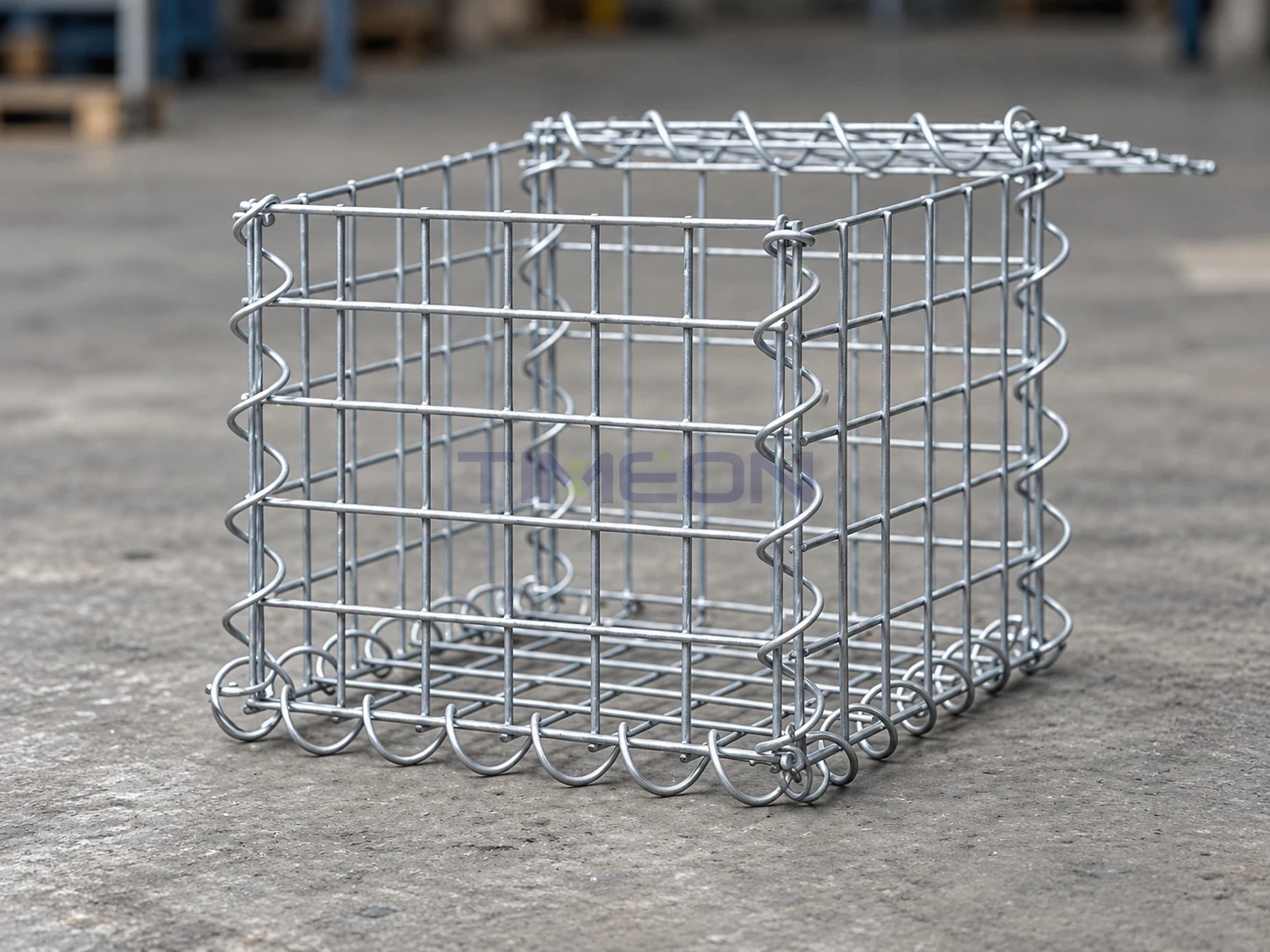
Because the panels are rigid, they are faster to set out accurately and easier to stack to a consistent line. The trade-off is lower tolerance to differential settlement: if the base moves, a welded basket does not adapt as readily as woven mesh, so foundation preparation matters more.
Wire, Coating and Service Life
Service life is governed more by the coating than by the mesh type. For permanent structures, specify the coating by mass (g/m2) rather than by name alone. Zn-Al alloy (Galfan) coatings are commonly specified for longer service life than plain zinc at a similar coating mass, and PVC coating over a metallic coating is used where water is polluted, saline or abrasive.
Coating mass, wire diameter and tensile requirements should be written into the purchase specification. Our galvanized wire guide explains the difference between hot-dip and electro-galvanized coatings and how coating weight is specified.
Assembly and Installation Differences
- Double-twisted gabion boxes are unfolded, the sides and diaphragms raised, and the edges laced or fastened. Adjacent boxes are connected along all contact edges before filling.
- Welded gabions are assembled by threading spiral binders through the panel edges at each corner, then fitting stiffeners across the corners or between faces.
- Both types are filled in layers with hard, durable stone larger than the mesh opening. Stiffeners or bracing wires are installed at each filling layer to control face bulging.
- Lids are closed and fastened only after the basket is fully and tightly filled; voids allow the stone to settle and the face to deform.
Frequently Asked Questions
Is a welded gabion stronger than a woven gabion? Not in a simple sense. A welded basket is stiffer, while a double-twisted basket is more flexible and tolerates movement. Design engineers choose based on the site, not on mesh stiffness alone.
Can welded gabions be used in rivers? They can be used in some low-energy water applications, but for scour-prone banks and channels, double-twisted gabions and Reno mattresses are the more common specification because of their flexibility.
Which is cheaper? It depends on dimensions, wire diameter, coating and quantity. Compare offers on the same box size, mesh opening, wire diameter and coating mass, and include fasteners and freight volume in the comparison.
What to Send for a Gabion Quotation
- Gabion type: double-twisted gabion box, Reno mattress or welded gabion
- Box dimensions (length × width × height) and quantity of each size
- Mesh opening and mesh wire diameter
- Selvedge, lacing or spiral binder wire diameter
- Coating: galvanized, Zn-Al alloy (Galfan) or PVC coated, with required coating mass
- Applicable standard, if the project specifies one
- Application and destination port
With these details, TIMEON can review the specification and recommend a suitable gabion type before quotation.