Overview
Double wire fencing is widely used for schools, warehouses, industrial sites, commercial properties, sports facilities and public perimeter projects. When buyers compare specifications, the recurring question is whether to choose 656 or 868. The panels may look similar, but their wire diameters materially change steel consumption, panel weight, rigidity, handling and project cost.
The right choice is not simply the heaviest panel available. Importers, distributors, contractors and project buyers should match the specification to the site, the complete support system and the required performance.
What Do 656 and 868 Mean?
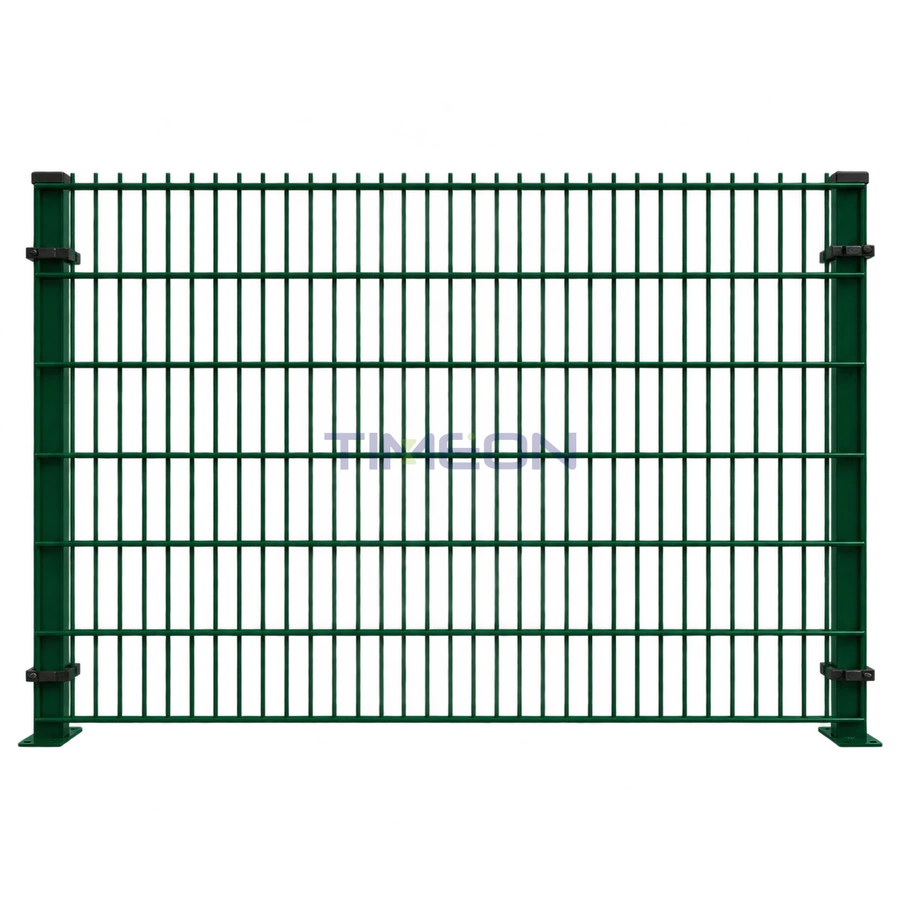
The numbers describe the nominal wire diameters used in the panel. A 656 fence uses 5 mm vertical wire and two 6 mm horizontal wires. An 868 fence uses 6 mm vertical wire and two 8 mm horizontal wires. A common mesh size for both is 200 × 50 mm, although the final mesh and panel dimensions should be confirmed in the quotation.
At each horizontal row, the vertical wire is welded between twin horizontal wires. This construction gives double wire mesh its flat profile and high rigidity. The familiar alternative names are 6/5/6 fence for 656 and 8/6/8 fence for 868.
How Much Heavier Is 868?
Under the same nominal 200 × 50 mm mesh configuration, the theoretical steel content is approximately 5.3 kg/m² for 656 and 8.4 kg/m² for 868. The 868 theoretical steel usage is therefore about 58% higher than 656.
| Specification | Vertical Wire | Horizontal Wires | Approx. Theoretical Steel Weight |
|---|---|---|---|
| 656 | 5 mm | 2 × 6 mm | 5.3 kg/m² |
| 868 | 6 mm | 2 × 8 mm | 8.4 kg/m² |
Why Does Wire Diameter Matter?
The reason the difference is larger than the diameter numbers suggest is that round-wire cross-sectional area follows the square of diameter. An 8 mm wire has approximately 78% more cross-sectional area than a 6 mm wire, while a 6 mm wire has approximately 44% more than a 5 mm wire. These figures explain steel cross-sectional differences; they are not a claim about final panel strength.
Overall performance also depends on panel dimensions, welding quality, post section, post spacing, fixing system, foundations and installation method.
656 vs 868: Quick Comparison
| Item | 656 Double Wire Fence | 868 Double Wire Fence |
|---|---|---|
| Vertical wire | 5 mm | 6 mm |
| Horizontal wires | 2 × 6 mm | 2 × 8 mm |
| Typical mesh | 200 × 50 mm | 200 × 50 mm |
| Approx. theoretical steel weight | 5.3 kg/m² | 8.4 kg/m² |
| Rigidity | High | Very high |
| Material cost | Lower | Higher |
| Handling | Easier | Heavier |
| Typical application | General perimeter | Heavy-duty perimeter |
With similar panel dimensions, 868 normally costs more because it contains more steel and is heavier to load, transport, unload and install. The price comparison should include freight, labour and handling rather than only the panel price.
When Is 656 the Better Choice?
656 is often the more balanced choice for commercial perimeters, residential projects, schools, public spaces, warehouses and normal industrial boundaries. It provides substantial rigidity while remaining easier for site teams to carry and align.
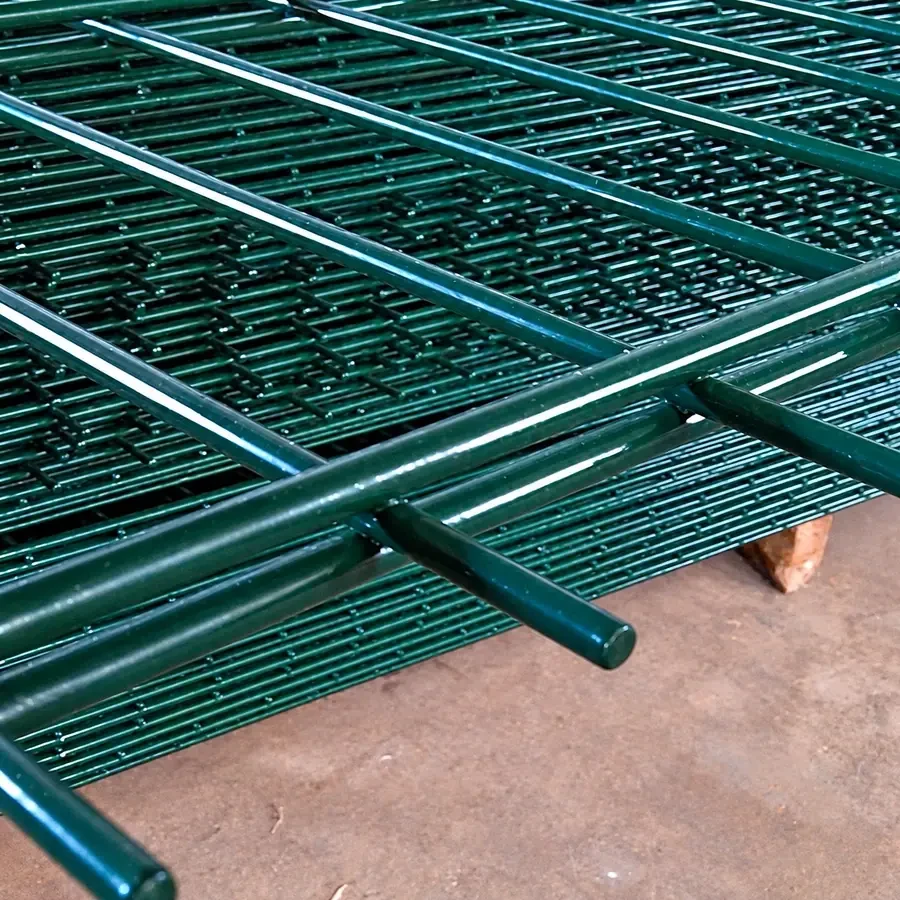
On a large order, lower steel consumption can reduce panel cost, freight weight, unloading effort and installation labour. Where the project does not face an unusual deformation risk, 656 usually offers a practical balance between rigidity, cost and the total project budget.
When Does 868 Make More Sense?
868 makes more sense for heavy-duty industrial perimeters, infrastructure, high-traffic public areas, locations with greater deformation risk and heavier-duty sports fencing. Its 6 mm vertical wire and twin 8 mm horizontal wires create a heavier, more rigid panel.
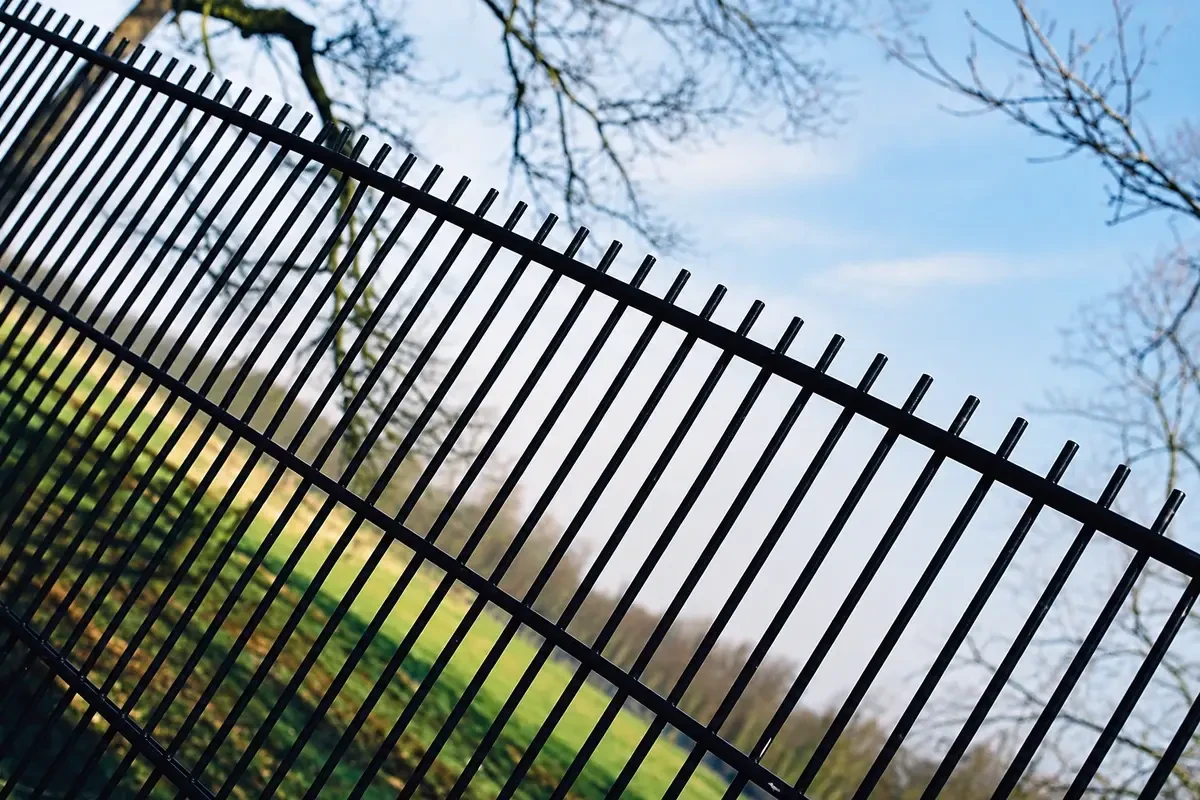
That extra rigidity does not mean every project must use 868. If the site does not need the additional steel, the buyer may be paying for unnecessary material, freight and handling difficulty. Confirm the required performance before selecting the heavier specification.
What About Sports Fencing?
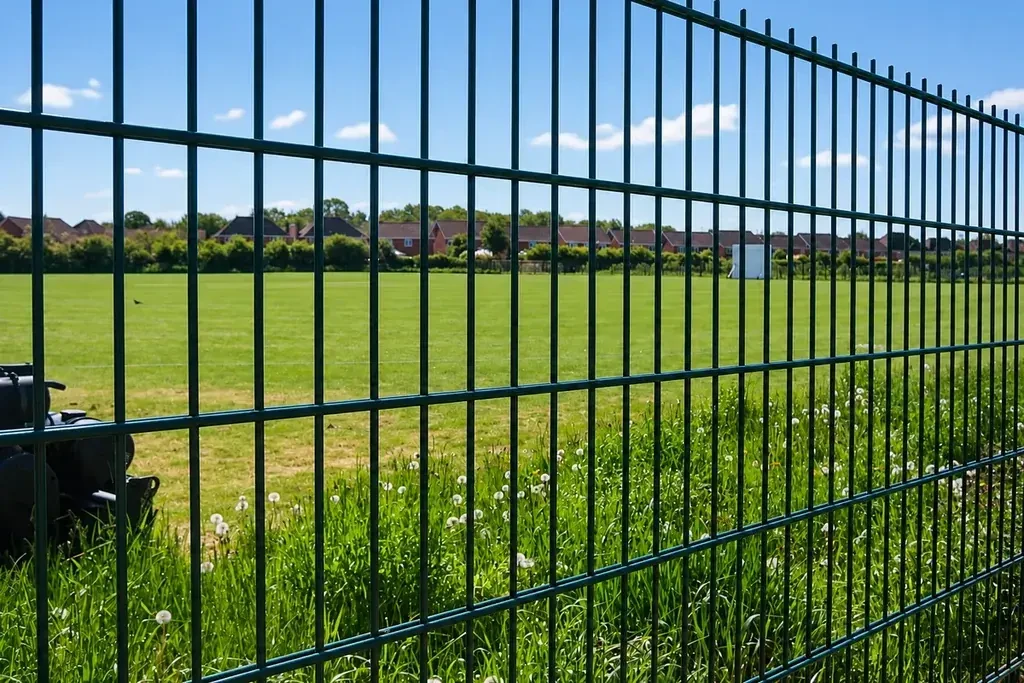
Sports fencing cannot be selected by 656 or 868 alone. Buyers should also review fence height, post section, fixing centres, clamps, foundations and the expected impact or rebound requirements.
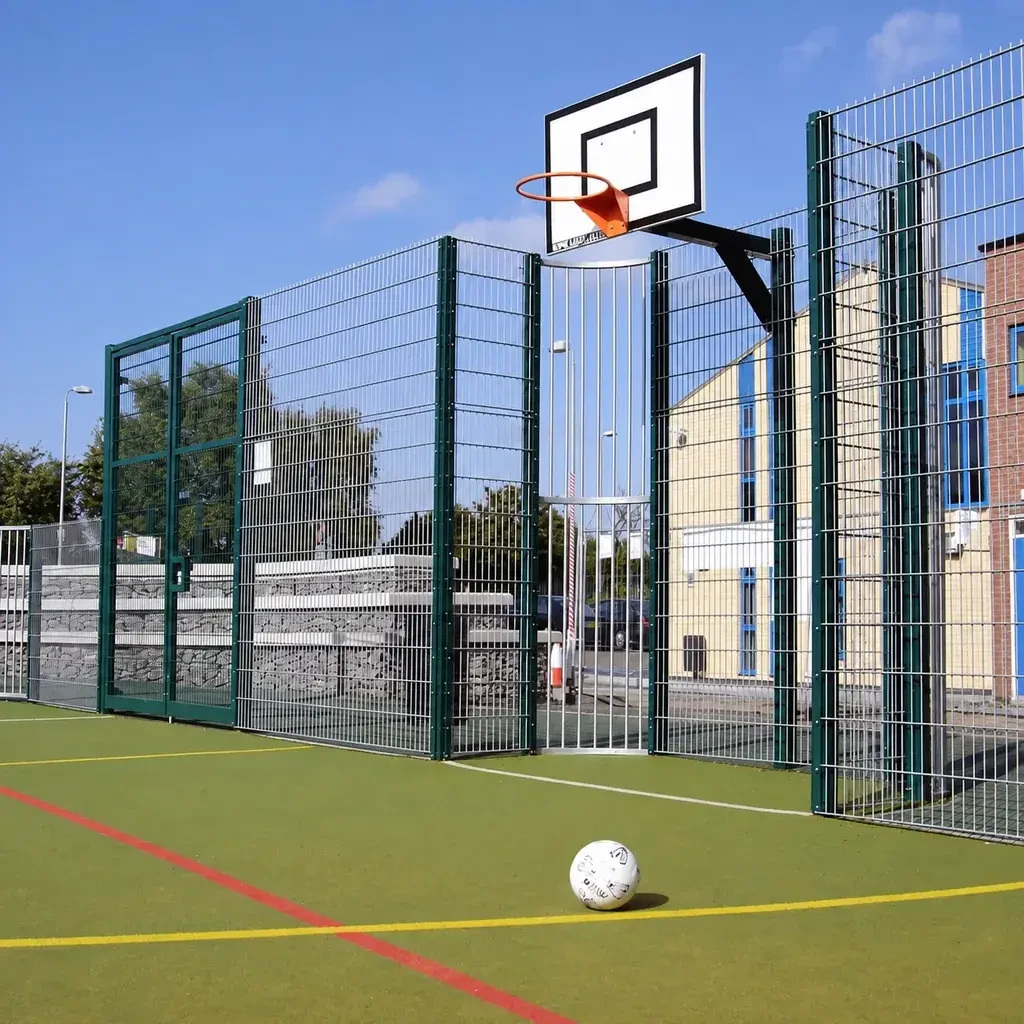
A heavier panel may suit repeated ball impact or contact, but an 868 panel on undersized posts or weak fixings does not automatically create a heavy-duty sports fencing system.
Do Not Ignore Posts and Fixings
The complete fence system includes panels, posts, clamps, fasteners and foundations. Because 868 is heavier and more rigid, loads are transferred into the posts, fixings and foundations. Increasing panel wire diameter without checking the rest of the system can create an unbalanced specification.
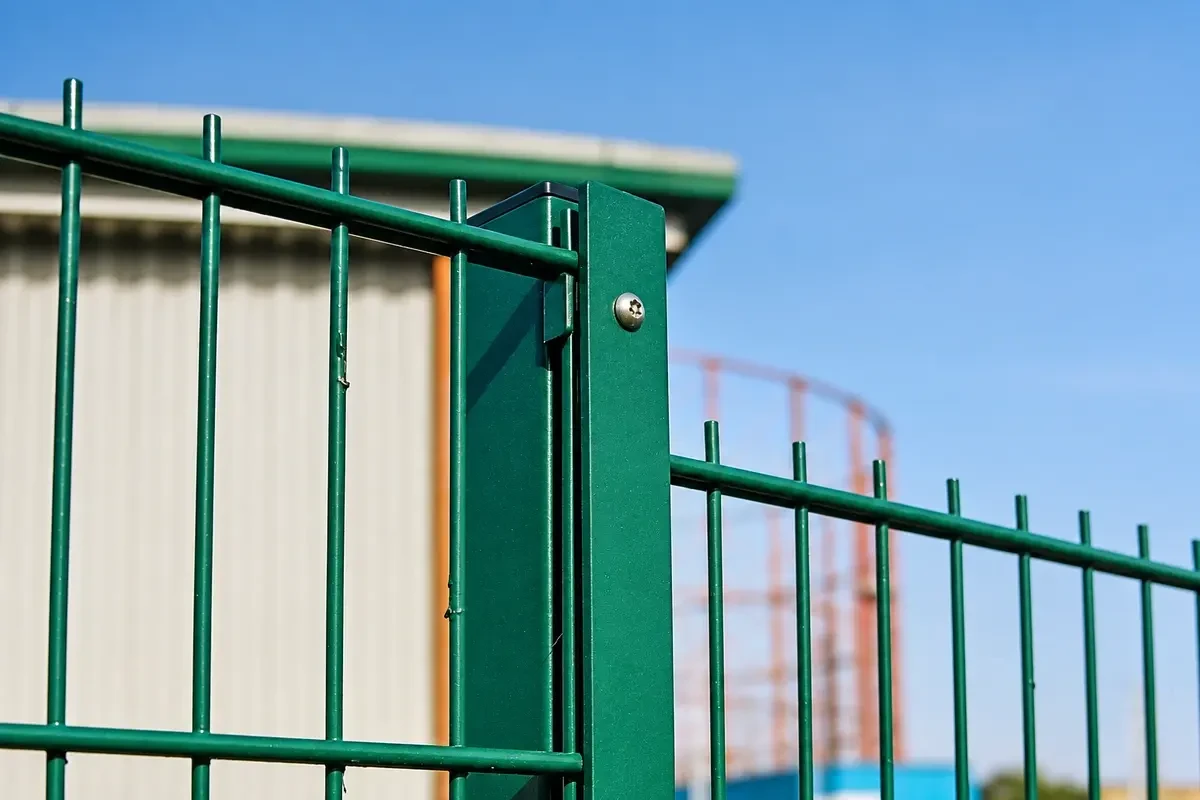
For a complete Double Wire Fence system quotation, provide panel height and width, mesh size, post specification, fixing method, coating, installation environment and quantity.
Coating Specification Matters Too
Wire diameter is only one part of durability. Confirm the galvanized condition, zinc coating requirement, pretreatment, powder or polymer coating, coating thickness, colour and installation environment. Coastal, humid or aggressive industrial environments require particular attention to corrosion protection.
A thicker wire cannot compensate for an unsuitable coating system. Compare coating requirements at the same time as the 656 or 868 specification so supplier quotations are genuinely like for like.
Does 868 Automatically Mean High Security?
No. 656 and 868 describe panel wire configurations. Any security rating or certification belongs to a tested complete fencing system, including panels, posts, fixings, gates, foundations and installation configuration. A generic 868 panel should not automatically be described as a certified security fence. Confirm the required system-level performance documentation for formal security projects.
Which Specification Should You Choose?
For many commercial, residential, school and normal industrial perimeter projects, 656 is the more cost-effective option because it balances rigidity, steel consumption, handling and total budget. 868 is the stronger candidate when additional rigidity and resistance to deformation are genuinely required.
A useful selection sequence is: application, required performance, panel, posts, fixings and coating. This keeps the double wire fence specification aligned with the complete system rather than treating wire diameter as the only decision.
Buyer Selection Checklist
Before requesting a quotation, confirm:
- fence height
- panel dimensions
- mesh size
- 656 or 868
- post specification
- fixing system
- coating
- installation environment
- quantity
Providing these details helps importers, distributors, contractors and project buyers compare equivalent offers. If you are deciding between 656 and 868, explore our Double Wire Fence specifications or send us your required fence height, quantity and application for a suitable panel, post and fixing recommendation.