Overview
A roll of 1/2-inch hexagonal wire mesh and a roll of 1-inch mesh may look much the same from a distance. Both have the familiar twisted, six-sided pattern, and both are commonly sold as chicken wire.
But mesh size affects more than appearance. It changes how much wire is used, what can pass through the openings and which jobs the netting is suitable for.
When comparing hexagonal wire mesh, the opening size is a good place to start — but it should never be the only specification you check.
A roll of 1/2-inch hexagonal wire mesh and a roll of 1-inch mesh may look much the same from a distance. Both have the familiar twisted, six-sided pattern, and both are commonly sold as chicken wire.
What Does 1/2-Inch or 1-Inch Mesh Mean?
Hexagonal wire mesh is made by twisting adjacent steel wires together to form a continuous pattern of six-sided openings.
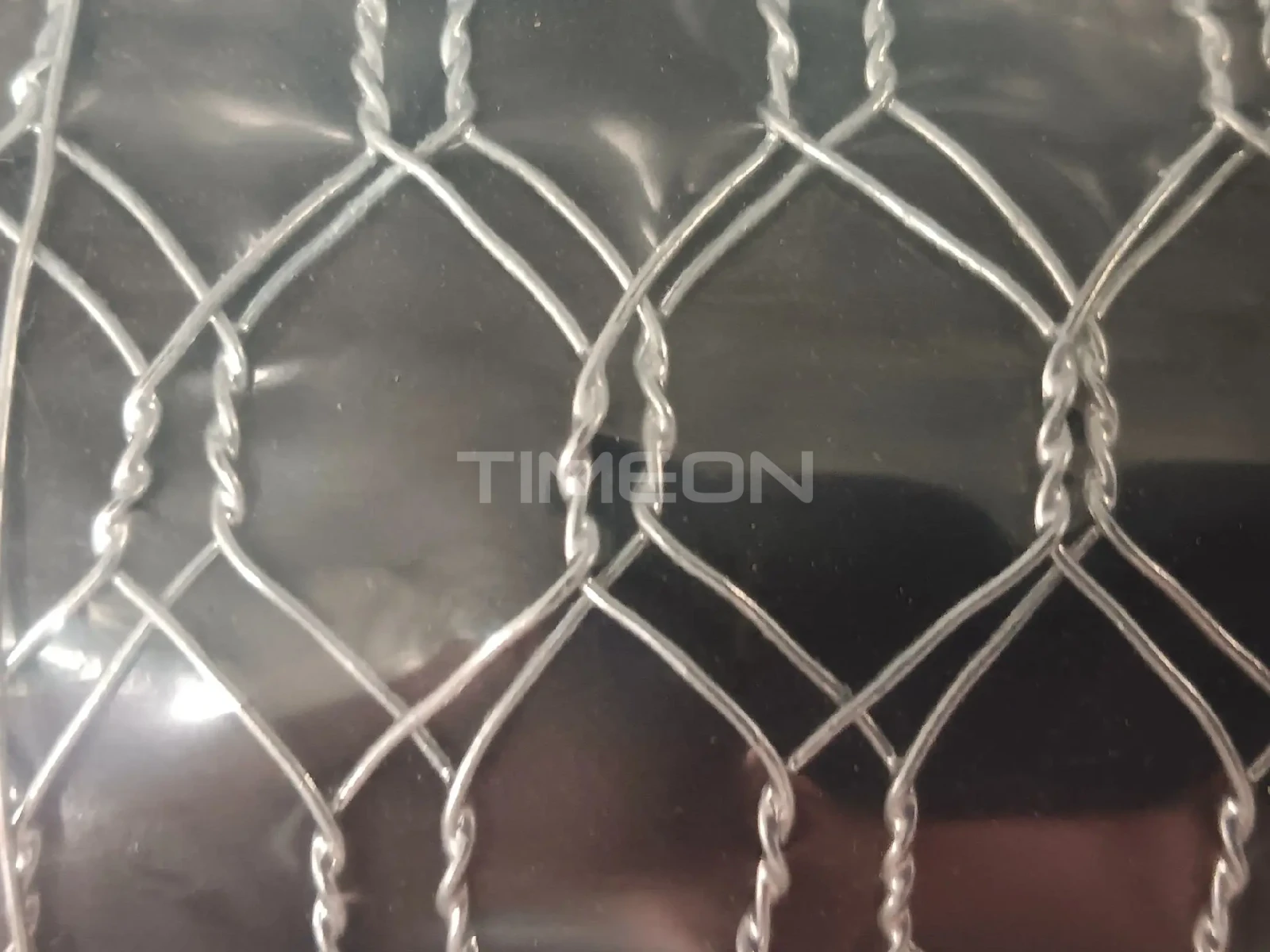
The size refers to the nominal mesh opening, not the wire diameter or the overall width of the roll.
Common sizes include:
| Nominal Mesh Size | Approximate Metric Size |
|---|---|
| 1/2 inch | 13 mm |
| 3/4 inch | 20 mm |
| 1 inch | 25 mm |
| 1-1/2 inch | 40 mm |
| 2 inch | 50 mm |
These are commonly used nominal conversions. Actual mesh dimensions and tolerances should follow the agreed product specification.
A larger opening produces a more open netting pattern. A smaller opening creates closer spacing between the wires.
Neither is automatically better.
How Does Opening Size Affect Use?
For poultry and garden applications, the size of the opening often matters more than buyers initially expect.
1/2-inch mesh has relatively small openings. It is commonly considered where finer containment or closer mesh spacing is needed.
1-inch mesh is a familiar option for general chicken wire and lightweight garden fencing.
2-inch mesh has a much more open structure. It can be suitable for certain light-duty separation or reinforcement applications, but it should not be treated as equivalent to smaller-opening netting for containing small animals.
These are general product distinctions, not installation guarantees. The suitable opening depends on the animals, site conditions and the purpose of the enclosure.
For example, mesh selected to keep chickens within an area is not necessarily sufficient to prevent predators from entering it.
Why Wire Diameter Matters
Suppose two suppliers offer 1-inch galvanized hexagonal wire mesh.
One quotation specifies thinner wire, while the other uses a heavier wire diameter.
Although the opening size is identical, the rolls will differ in weight, flexibility and resistance to deformation.
In general, increasing wire diameter adds steel and makes the netting more resistant to bending. It also affects material cost and roll weight.
At the same wire diameter, smaller openings generally require more wire per square metre than larger openings.
This is one reason a 1/2-inch roll may cost more than a 1-inch roll of the same dimensions and coating specification.
Wire sizes are sometimes expressed in BWG rather than millimetres. Since gauge numbers run in the opposite direction to wire thickness, it is safer to confirm the actual diameter in millimetres before placing an order.
For more on gauge systems and zinc coating, see Galvanized Wire: Types, Coating, Specifications & Buying Guide.
Galvanized Before or After Weaving?
Hexagonal wire mesh is commonly available in galvanized and PVC-coated finishes.
For galvanized mesh, there is another detail worth checking: when was the zinc coating applied?
- Galvanized before weaving: The steel wire is galvanized before it is formed into hexagonal mesh.
- Galvanized after weaving: The mesh is woven first and then galvanized.
Galvanizing after weaving can provide coating coverage over the finished twists and connections. However, corrosion performance also depends on the coating process, zinc coating mass and manufacturing quality.
It would be misleading to judge durability from the production sequence alone.
PVC-coated hexagonal wire mesh is another option, often selected for garden and outdoor applications where colour and additional surface protection are useful.
When comparing products, ask whether the stated wire diameter includes the PVC coating or refers only to the steel core.
Roll Dimensions Can Change the Quotation
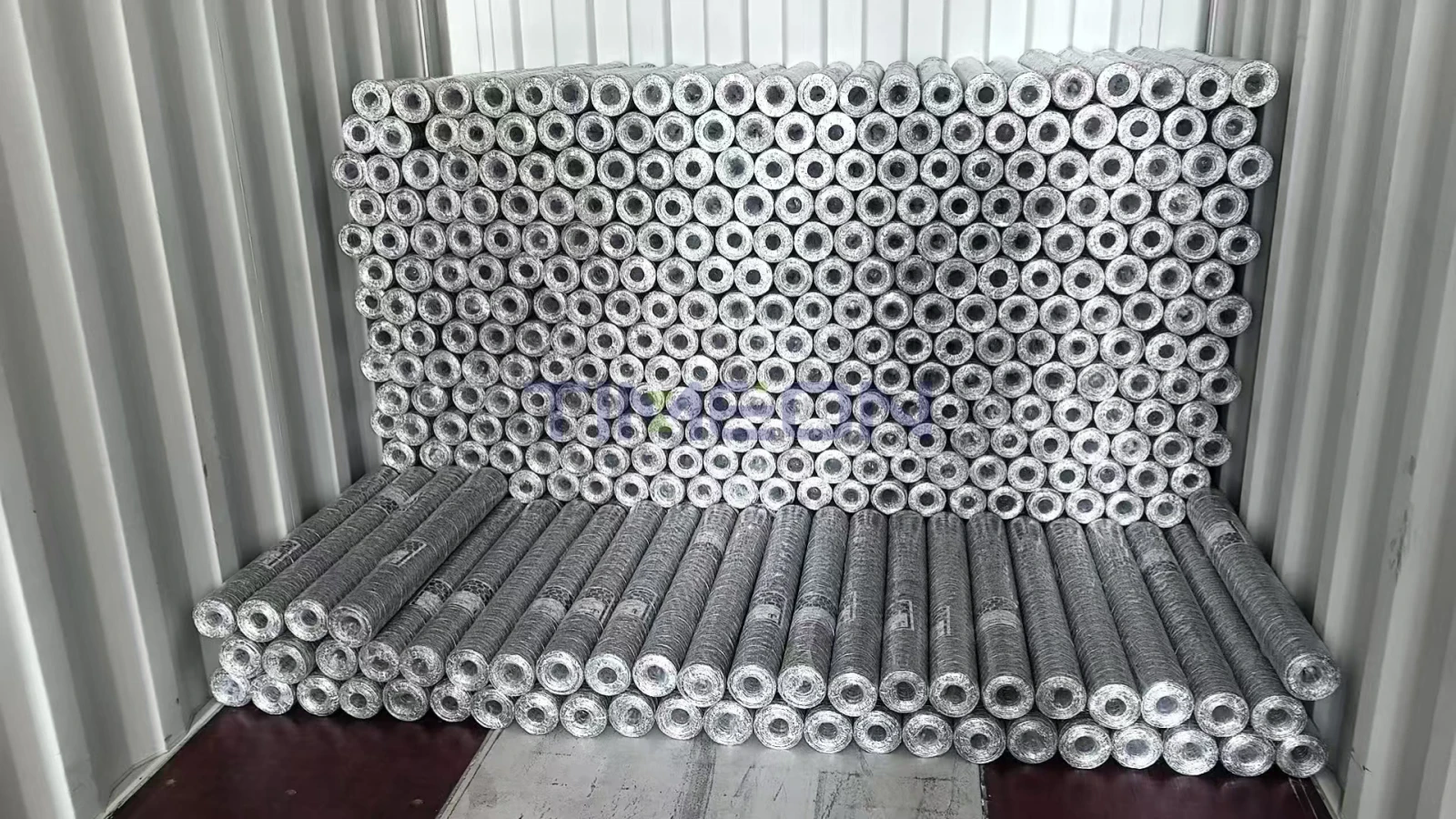
Hexagonal wire mesh is normally supplied in rolls, making it convenient to transport, cut and install.
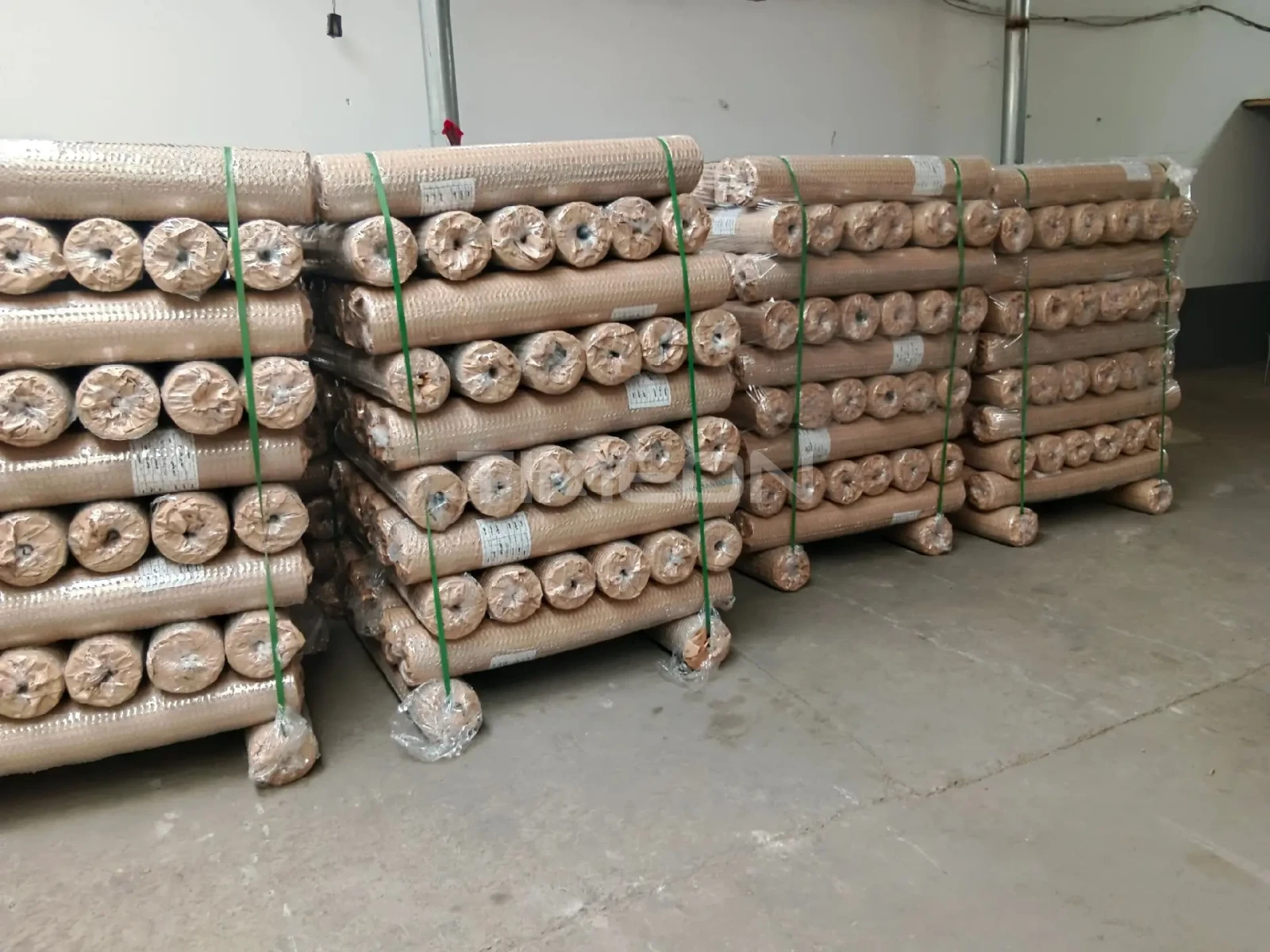
Common roll widths range from approximately 0.5 m to 2.0 m, with lengths such as 10 m, 25 m, 30 m and 50 m available.
A 1 m × 25 m roll and a 2 m × 25 m roll may have the same mesh opening and wire diameter, but the second contains roughly twice the nominal netting area.
For a large project, roll width also affects how many pieces need to be joined during installation.
Before comparing unit prices, make sure both quotations refer to the same roll dimensions.
A Few Details Worth Checking Before Ordering
If you are purchasing hexagonal wire mesh for resale or project use, a complete specification should include:
- Mesh opening, in inches or millimetres
- Wire diameter, preferably in millimetres
- Galvanized or PVC-coated finish
- Roll width and length
- Normal or reverse twist, if specified
- Required quantity and packing method
The application is also worth mentioning.
Chicken coops, garden protection, plaster reinforcement and general light fencing may all use hexagonal wire mesh, but they do not necessarily need the same construction.
A brief explanation of how the material will be used can help the supplier check whether the requested specification is appropriate.
Choosing the Right Mesh
The familiar hexagonal pattern makes different rolls look interchangeable, but small specification changes can matter once the mesh is installed.
A finer opening may provide closer containment, while a larger opening generally uses less wire at the same diameter. A heavier wire adds rigidity, and the surface coating influences how the material performs outdoors.
For buyers, the most reliable approach is to compare the opening size, wire diameter, coating and roll dimensions together.
Those details tell you much more about the product than the words "galvanized chicken wire" on a quotation sheet.